
Oxytocin — 2mg | OXTR Receptor Nonapeptide
$ 31.69
Description Oxytocin is a naturally occurring cyclic nonapeptide hormone synthesized in the hypothalamic paraventricular and supraoptic nuclei, with a characteristic intramolecular disulfide bridge between Cys¹ and Cys⁶ creating its constrained ring structure. The peptide was first isolated by Vincent du Vigneaud’s group in 1953 — the first polypeptide hormone ever chemically synthesized, an achievement that earned the Nobel Prize in Chemistry in 1955. Oxytocin functions as the natural endogenous ligand for the oxytocin receptor (OXTR), a class A G-protein coupled receptor expressed across the central nervous system, uterine smooth muscle, mammary tissue, and various peripheral organs. The compound is FDA-approved as Pitocin® (Pfizer) and other brand names for clinical use in labor induction and postpartum management, and is investigated in preclinical research for OXTR receptor pharmacology, hypothalamic-pituitary neuroendocrine signaling, and class A GPCR structural biology. Synthetic oxytocin is structurally identical to the endogenous human peptide. Benefits (Research Focus) • OXTR receptor agonism — studied as the natural endogenous ligand for the oxytocin receptor (class A GPCR) • Hypothalamic neuroendocrine signaling — investigated for paraventricular and supraoptic nucleus neuroendocrine research • Cyclic peptide pharmacology — explored for the role of the Cys¹-Cys⁶ disulfide bridge in receptor binding and stability • OXTR signaling cascades — examined for Gq/IP₃/Ca²⁺ and other downstream pathway activation • Receptor distribution research — researched for OXTR expression patterns across central and peripheral tissue systems What Researchers Look At • OXTR receptor binding affinity and downstream Gq/IP₃/Ca²⁺ signaling cascades • Receptor desensitization kinetics and OXTR internalization patterns • Comparative pharmacology versus structurally related neuropeptides (e.g., vasopressin / AVP) • Disulfide bridge stability and oxidative cleavage kinetics in solution chemistry research • OXTR expression profiles in central nervous system and peripheral tissue research models Quick Specs • Form: Lyophilized white powder • Net Peptide Content: 2 mg per vial • Quantity: 1 vial • Appearance: White to off-white lyophilizate • Reconstitution: Bacteriostatic or sterile water (added by the end researcher) • Purity: ≥99% by HPLC (verify against COA — Oxytocin is sometimes reported at ≥97% due to disulfide synthesis complexity) • Identity: MS-verified (per COA) • Storage: Protect from light Identity Basics • Compound: Oxytocin • Synonyms: OXT; α-Hypophamine; Pitocin (FDA-approved brand name); Syntocinon (international brand name) • Class: Cyclic nonapeptide hormone; OXTR receptor agonist (class A GPCR ligand) • Sequence: Cys-Tyr-Ile-Gln-Asn-Cys-Pro-Leu-Gly-NH₂ (9 amino acids) • Structural features: Intramolecular disulfide bridge between Cys¹ and Cys⁶; C-terminal glycinamide • Formula / M.W.: C43H66N12O12S2, ~1007.19 g/mol • CAS: 50-56-6 ⚠️ Disclaimer This product is intended for laboratory research use only. Not for human or veterinary use. Not approved for diagnostic, therapeutic, or medical applications. Handle using appropriate laboratory safety procedures and personal protective equipment. COA Verification Notice: Even if the vial label or product image states a certain concentration, always go by the COA for the true verified value. We reference the COA to determine the verified concentration and purity of each product, regardless of what the label or product image indicates. Janoshik COA — Third-Party Testing • Oxytocin Batch COA — October 2, 2025
Related products
-
School Rain Jacket Hooded, Polar Fleece Lined Drymac for AdultsSelect options This product has multiple variants. The options may be chosen on the product page
-
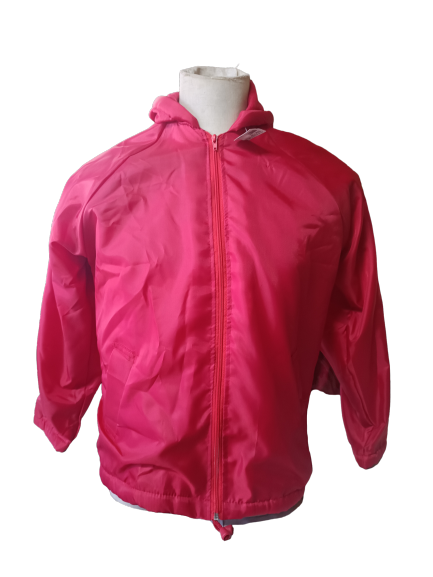
Extreme Brown Hooded School Jacket – Summer Dry MacSelect options This product has multiple variants. The options may be chosen on the product page